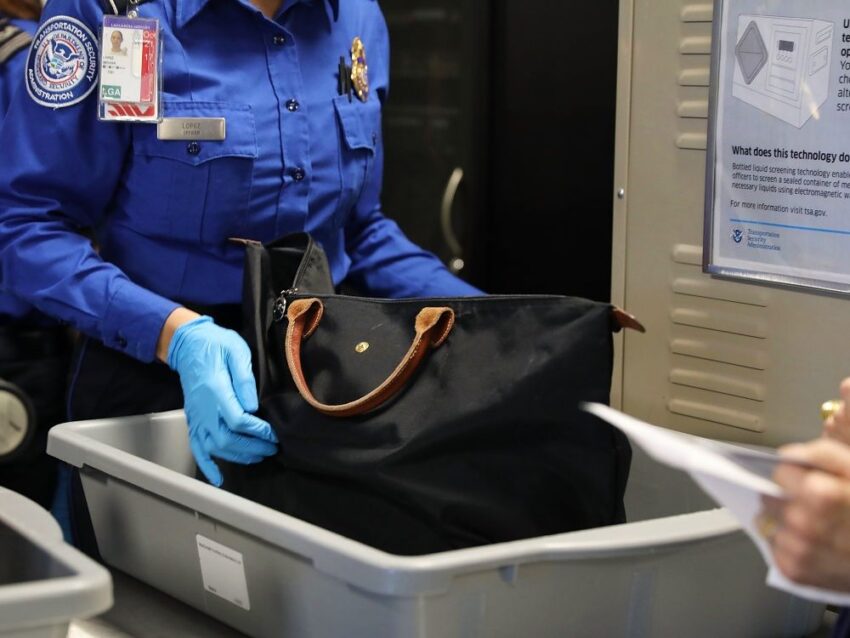
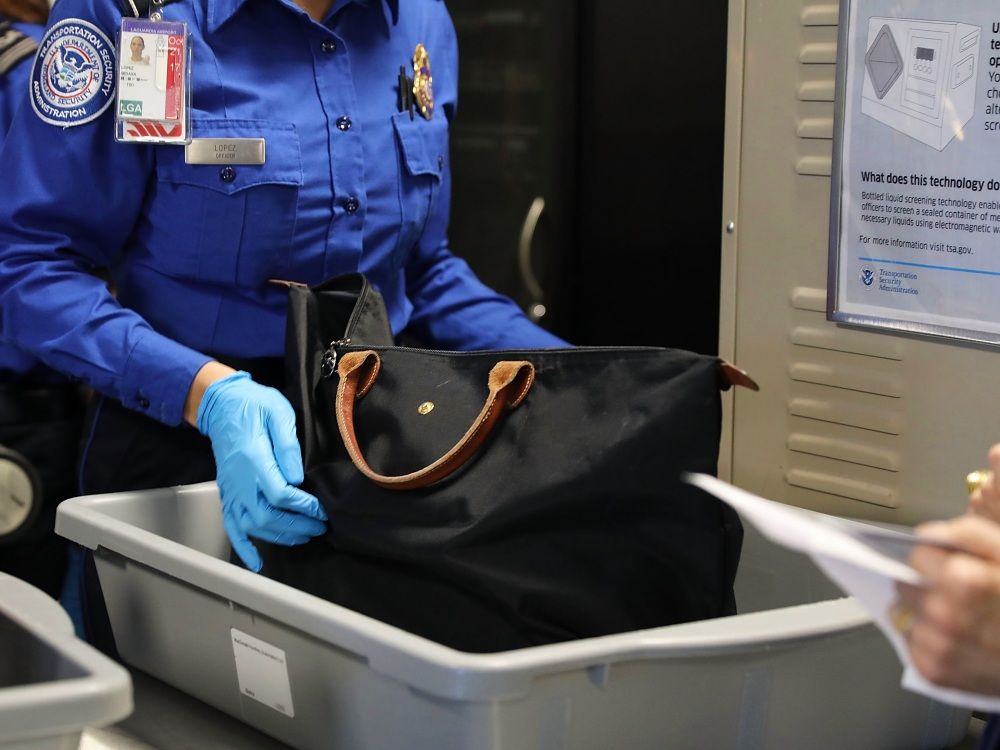
Although more electronic devices are being searched at the United States border than ever before, they have nothing to do with travellers’ political beliefs or an administration change, a spokesperson for the Department of Homeland Security told National Post.
“Allegations that political beliefs trigger inspections or removals are baseless and irresponsible,” the department said in an emailed statement Tuesday evening. The numbers are “consistent with increases since 2021” and claims that an increase in searches were “due to the administration change are false.”
“Lawful travellers have nothing to fear from these measures, which are designed to protect our nation’s security. However, those intending to enter the U.S. with fraudulent purposes or malicious intent are offered the following advice: Don’t even try.”
Between April and June this year, searches were conducted on
— including phones, computers and cameras. That number has increased since the same time period last year, when 12,090 devices were inspected. According to CBP, last year’s searches affected less than 0.01 per cent of the more than 420 million international travellers who arrived.
The recent numbers have jumped since 2018, which is far back as the available data from the CBP goes online. During the same time that year, around 8,000 devices were searched.
The total number of searches has also been rising, for the most part, since 2018. That year, there were 33,296 searches. The fewest total searches were during the pandemic, at 32,038. Last year, there were 47,047 searches, but already in 2025, with one more quarter left in the fiscal year, there have already been 39,251.
Last year, the bulk of the searches — nearly 78 per cent of them — were conducted on devices owned by non-U.S. citizens.
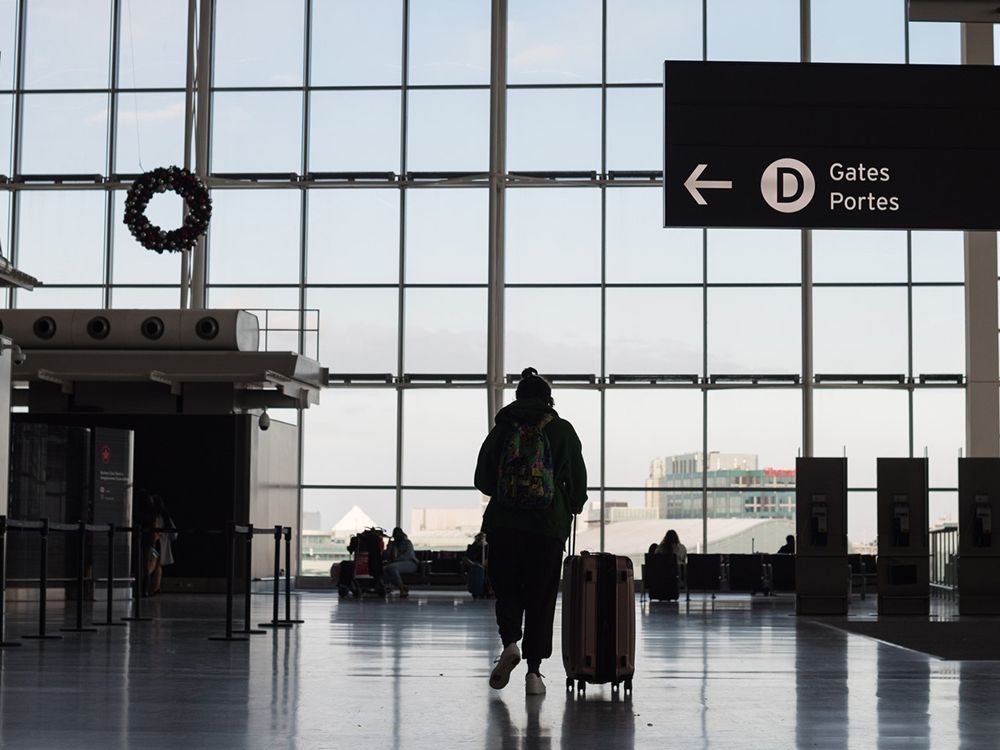
“While reports show more phones are being searched at the U.S. border, we don’t anticipate any impact on cross-border business travel. Canadians are seasoned travellers who know how to prepare and adapt,” managing director for Flight Centre Travel Group Canada Chris Lynes said in an emailed statement to National Post.
“When it comes to leisure travel, the bigger factor is the dollar, not device checks.”
For those who are travelling for business, they should be proactive and treat their devices like a passport, “travelling light digitally, and having the right documentation,” he said.
CBP says that its ability to “lawfully inspect electronic devices crossing the border is integral to keeping America safe in an increasingly digital world.”
There are two types of searches described by the agency: basic and advanced. This year, between April and June, there were 13,824 basic searches and 1,075 advanced.
In general, a basic search involves an officer “reviewing the contents of the device manually without the assistance of any external equipment,” per CBP. In an advanced search, a person’s electronic device is connected to “external equipment” to “review, copy, and/or analyze its contents.”
For an advanced search to be conducted, it requires “reasonable suspicion of a violation of law enforced or administered by CBP or a national security concern.” It requires the approval of a senior manager before a search is conducted.
If non-American travellers do not provide their electronic device to be examined by an agent upon request, that in and of itself does not mean they’ll be barred from the country. The agency says admissibility is based on a “totality of the circumstances” and its “ability to inspect an electronic device alone does not determine” if a traveller can enter.
The searches are being done to enforce the law, the agency says, and to detect “digital contraband.” That could include child pornography, classified materials, terrorism-related information or any other information that would be relevant to a person’s admissibility.
“As permissible, border searches may also help detect other national security matters, as well as reveal information about transnational financial crimes, including bulk cash smuggling, and commercial crimes with a nexus to the border, such as those relating to copyright and trademark,” per the agency.
In the
, the paper provided to travellers that indicates they’ve been selected for a search, it says that the device will be returned unless the agency determines the need to temporarily detain or seize it.
Some travellers who were previously turned away from entering the United States said it occurred after their electronics were searched. One such person, a French scientist, was denied entry in March after
he said “hateful” messages about U.S. President Donald Trump
were discovered on his phone.
A government
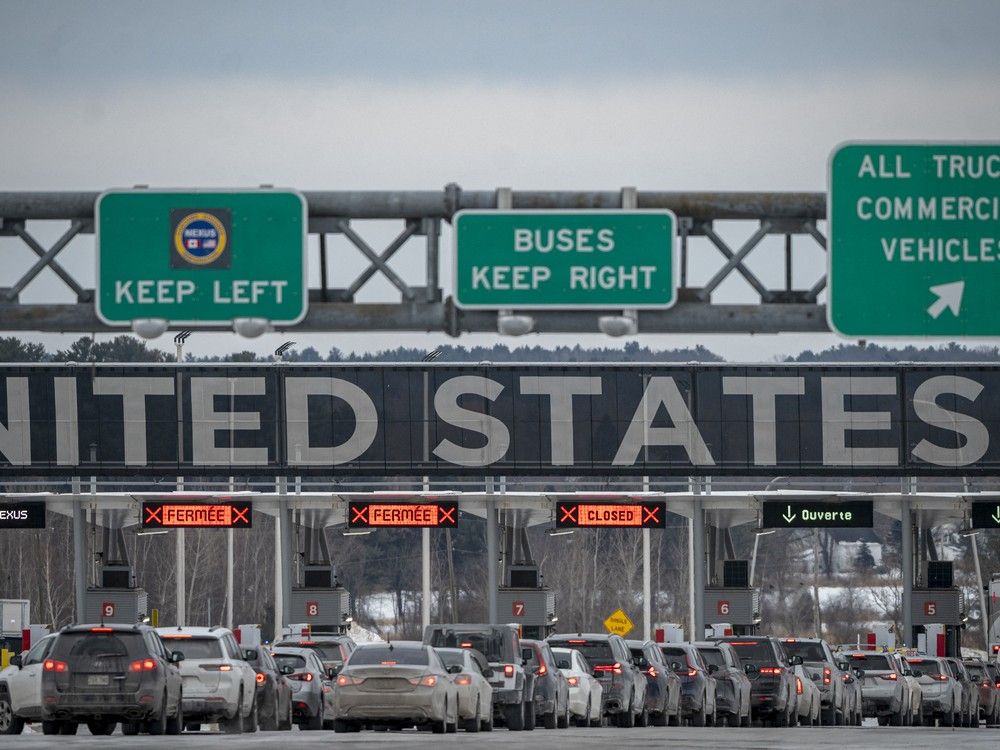
for Canadians going to the United States last updated on July 31 includes a section about electronics. It says that U.S. border agents are entitled to search through devices such as phones, computers or tablets.
“They don’t need to provide a reason when requesting a password to open your device,” according to the federal government. “If you refuse, they may seize your device. The border agent could also delay your travel or deny entry if you are not a U.S. citizen.”
It advises Canadians to put their devices in airplane mode “to ensure remote files don’t get downloaded accidentally” before crossing the border.
In June, U.S. Ambassador to Canada Pete Hoekstra said that the device searches were not a pattern,
.
“If a Canadian has had a disappointing experience coming into the United States, I’m not denying that it happened, but I’m saying it’s an isolated event and it is not a pattern,” he said.
“Coming to the U.S., that’s a decision for the Canadians to make. Searching devices and all of that is not a well-founded fear. We don’t do that. America is a welcoming place.”
Our website is the place for the latest breaking news, exclusive scoops, longreads and provocative commentary. Please bookmark nationalpost.com and sign up for our daily newsletter, Posted, here.