

A recall for 55,689 pounds (2,526 kgs) of frozen blueberries distributed in Canada and the U.S. was issued over potentially life-threatening risk of listeria monocytogenes contamination, according to the
U.S. Food and Drug Administration
.
The potentially high-risk product was recalled by Salem, U.S.-based
, which operates as
Willamette Valley Fruit Company
in Oregon. The products were sold in Canada and in the U.S. states such as Michigan, Oregon, Washington and Wisconsin.
The recall was first issued on Feb. 12 on the FDA’s website but was classified as “Class I” recall on Feb. 24. As per the explanation on the
Canadian Food Inspection Agency
(CFIA) website, Class I recall is issued when “there is a high risk that consuming the food may lead to serious health problems or death.”
reports that the fruit was sent to food manufacturers and food service distributors. The FDA release notes that the product was not sold to consumers from retail stores.
What other details are available for the potentially contaminated blueberries?
The potentially contaminated blueberries are said to be packaged in 30-pound corrugated cases with polyethylene bags and 1,400-pound totes.
The lot codes on the 30-pound cases are 2055 B2, 2065 B1, and 2065 B3. The lot codes on the 1,400-pound totes are 3305 A1 and 3305 B1.
The status of the recall is ongoing but the FDA in its report didn’t mention what the customers should do now. No press release has been issued by the company either.
National Post has contacted Oregon Potato Company, Health Canada, and CFIA for comments.
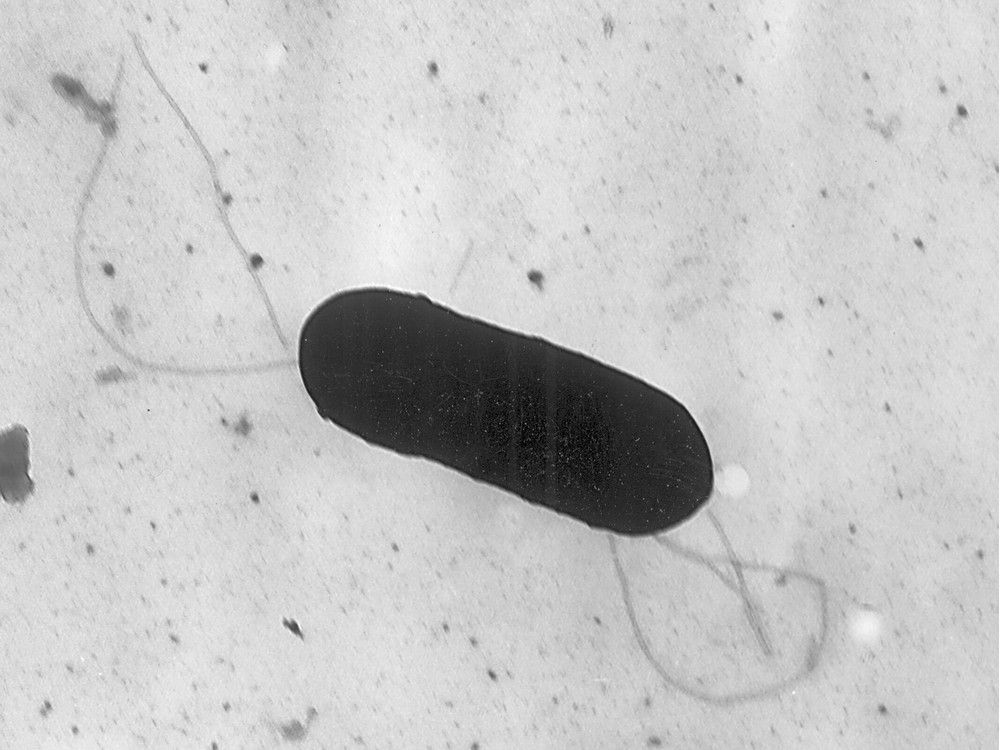
What is listeria monocytogenes?
A disease-causing bacteria, listeria monocytogenes can be found in numerous places, including soil, water, sewage, rotting vegetation, and animals. It can survive refrigeration and thrives in unsanitary conditions. The bacteria gets transferred to food when it is harvested, packaged or prepared in a place that is already contaminated. “When people eat food contaminated with listeria monocytogenes, they may develop a disease called listeriosis,”
. Meanwhile, pets can also spread the bacteria at home if they consume infected food.
What are the symptoms of listeria contamination?
Symptoms of listeria infection are wide-ranging and is based on how severe the infection is and also the form of illness.
The two forms of listeria contamination are: non-invasive gastrointestinal listeriosis (less severe) and invasive listeriosis (more severe). The more severe form occurs when the infection has spread beyond the intestines, FDA says.
Symptoms of less severe infections include fever, muscle aches, nausea, and vomiting. FDA points out that during the less severe form of listeria “diarrhea may occur, and often persists for 1 to 3 days.”
The more severe form of the infection is also life-threatening. Symptoms for this, as pointed out by FDA includes, headache, stiff neck, confusion, loss of balance, and convulsions.
In a
, the Canadian government mentions that the infection can be hard to detect as the symptoms can take between three to 70 days to appear. “Even then, are initially difficult to distinguish from the flu,” the press release notes.

Who is most at risk of listeria infection?
The severe form of infection is potentially life-threatening for newborns, adults over the age of 65, and those with compromised immune systems. If the infection is contracted during pregnancy, it can potentially lead to miscarriage, stillbirth, premature delivery, or a life-threatening infection of the newborn. FDA strongly recommends contacting healthcare provider should people suspect they have symptoms that resemble listeriosis infection.
What was one of the worst cases of listeria contamination in Canadian history?
According to a 2008 article by the
, the country experienced one of the worst epidemics of listeriosis that year in August.
“Contaminated cold cuts from a Toronto meat processing plant have, as of Sept. 12, 2008, killed at least 16 Canadians from among 43 confirmed cases of listeriosis in half the country’s provinces,” CMJ notes in the 2008 article. The journal in 2008 further noted that because the contamination can remain dormant for two to three months “the deaths, illnesses and other effects such as spontaneous abortions may not be over yet.”
A
provides an updated count: 57 people were severely impacted by the illness and 22 Canadians succumbed to it. The report points out 191 meat products were recalled and were produced Maple Leaf Foods Bartor Road plant.

Our website is the place for the latest breaking news, exclusive scoops, longreads and provocative commentary. Please bookmark nationalpost.com and sign up for our daily newsletter, Posted, here.