As of 12: 01 Sunday morning,
wants everyone in the province to stay out of the woods. All Crown land will be closed.
That means no fishing, camping or hiking, and no vehicles in the woods. Trail systems will be closed and camping will only be allowed at campgrounds. There is also a N.B. ban on all forestry operations.
Nova Scotia implemented an
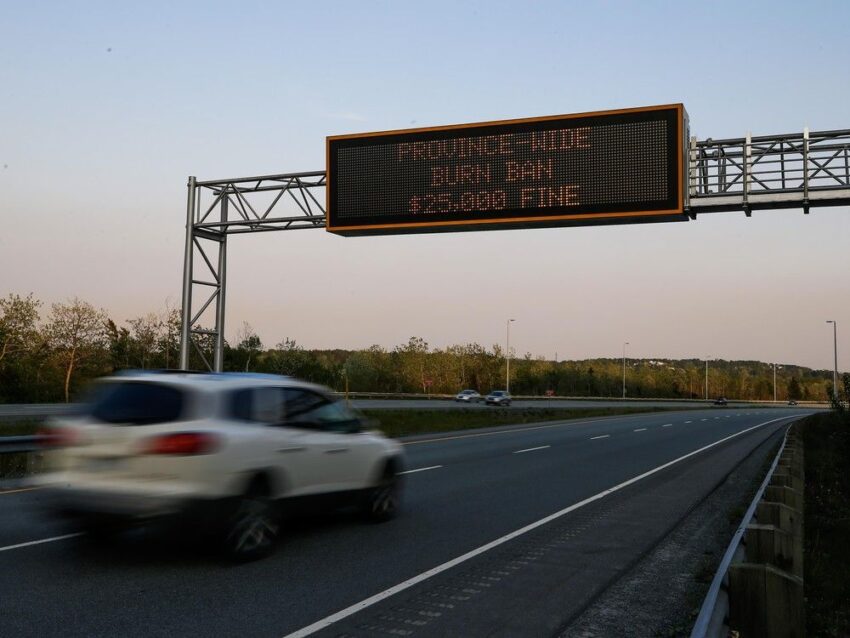
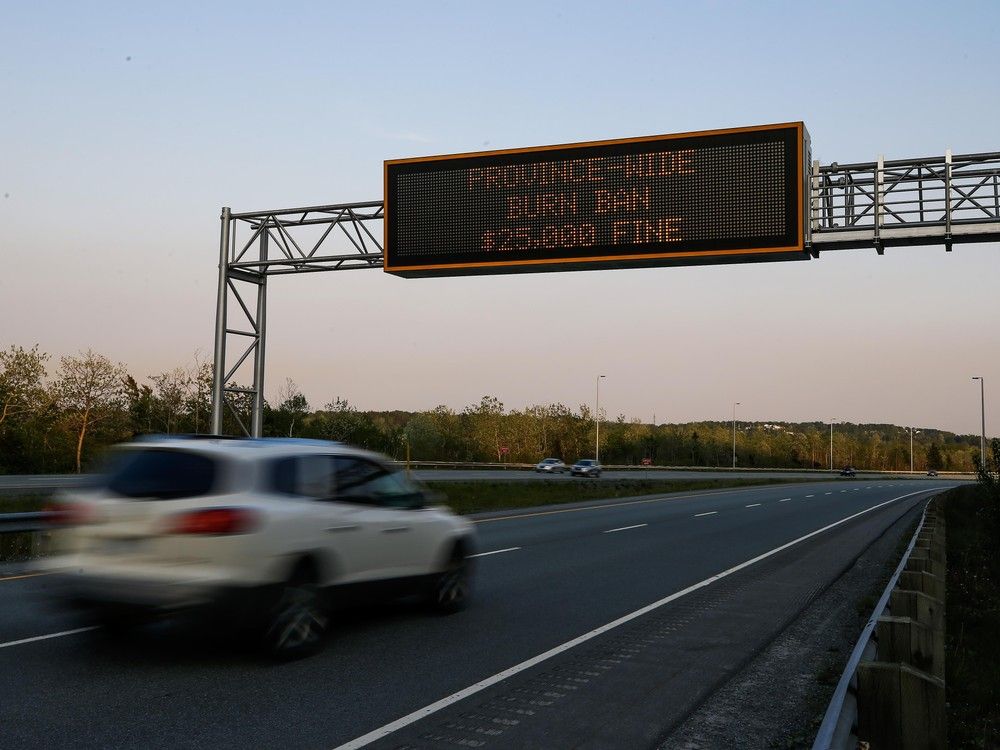
last week and shuttered its forests to public and commercial use on August 5. The penalty for violations of the burn ban is $25,000. It was increased back in 2023, when
devastated parts of the province,
over 300 homes and 60 other structures.
Three significant wildfires are raging in Newfoundland and Labrador
where fines for violators of the province-wide fire ban were increased Friday afternoon up
to $150,000, as well as up to a year in prison. (A first offence previously meant a $75 fine. Now it’s $50,000 for a first offence and payment defaulters risk imprisonment of six months.)
“It’s very clear that these penalties for violating the regulations needed to be higher, and everyone needs to take this seriously,” Premier John Hogan told CBC News. Members of the Canadian Armed Forces and Coast Guard are being deployed to help fight the fires.
Prince Edward Island has also imposed
. Fires for warmth or cooking are still permitted but burn permits have been revoked for the immediate future.
Parks Canada has fines
for breaching burn bans in national parks on Prince Edward Island. The focus of the parks are the popular Cavendish and Stanhope beaches.
Campfires are only permitted in designated fire pits or boxes provided by Parks Canada.
Otherwise, fires are not allowed, including on beaches or rocky surfaces.
How has Nova Scotia prohibited activity in the province’s forests?
Nova Scotia was the first province to implement stringent measures by clamping down
on personal and commercial activity in Nova Scotia’s forests
. Hiking, camping, fishing and the use of vehicles in the woods is not permitted. Trail systems through woods are off limits and camping is allowed only in campgrounds.
People involved in commercial activity such as
must apply for a permit at their local Department of Natural Resources office.
The prohibitions could last into the fall, as N.S. says March 15 to October 15 is when the risk is heightened.
While the restrictions are in place, people are permitted access to beaches and parks, but not the trail systems. And landowners can use their own properties but they cannot host others to use wooded areas of their properties.
Travel, Activities in Woods Restricted to Prevent Wildfires https://t.co/d7WQlKknWQ pic.twitter.com/HV0EYLkzVa
— Nova Scotia Gov. (@nsgov) August 5, 2025
Has there been pushback against the province?
There has been
that the ban on activity in Nova Scotia’s forests is disproportionate to the wildfire risk. One source is the
Canadian Constitution Foundation
, which has sent a letter to the Premier Tim Houston.
The
Canadian Civil Liberties Association
has also suggested the new regulations are
.
Nature lovers should be FREE to responsibly enjoy our forests. Nova Scotia must END the unreasonable, provincewide ban on entering the woods and replace it with targeted measures that RESPECT our constitutional rights.
Sign our petition here: https://t.co/rEpWYdjLUP— Christine Van Geyn (@cvangeyn) August 7, 2025
Have violators been penalized?
Nova Scotia has issued 10 tickets this year to people allegedly violating burn restrictions. Nova Scotia RCMP said its officers issued three tickets in May, June and July.
Last year,
were handed out by Natural Resources and RCMP.
N.S. is also asking residents to
report wildfires or violations
of the fire restrictions by calling a government number.
Have there been previous bans?
This is not the first time a burn ban has been implemented by N.S. There was
in 2023, 2016 and 2001.
Our website is the place for the latest breaking news, exclusive scoops, longreads and provocative commentary. Please bookmark nationalpost.com and sign up for our daily newsletter, Posted, here.